

Office Space Planning in Kansas City
(Layouts That Actually Work)
We plan offices that fit your headcount, workflow, and budget—then help you spec furniture and coordinate delivery + installation.

Fast layout turnaround (even with rough dimensions), plans for private offices/open areas/conference/reception, and power planning + furniture recommendations—plus space planning, furniture design, consultation, and installation support.
Trusted by Kansas City businesses and organizations


What We Plan (So Your Office Feels Finished)


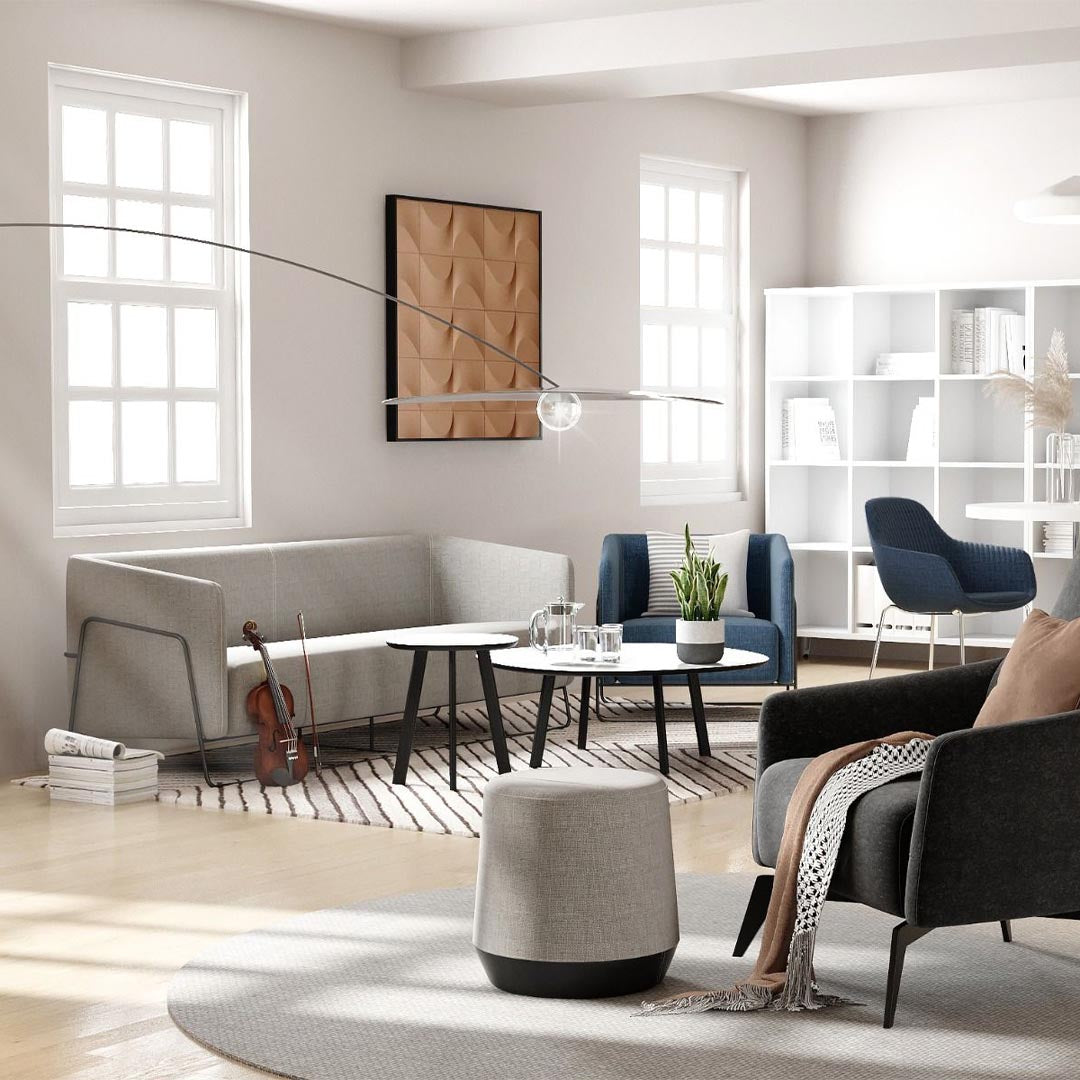
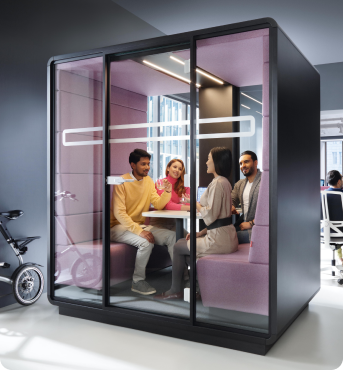
Not sure where to start? Tell us headcount and your timeline—we’ll recommend the right mix.
Furniture Is Easy. A Functional Layout Is the Hard Part.
Most office projects don’t fail because of the desk. They fail because:
- walkways get tight
- teams can’t focus
- power wasn’t planned
- furniture doesn’t fit the room the way it looked on paper
We help Kansas City teams build layouts that support real work—then we match furniture to the plan so everything fits, flows, and installs clean.

Good / Better / Best (planning + project support ranges)
These ranges are intentionally framed as project tiers, not “planning fees.” It helps users self-select.

GOOD — Quick Plan + Smart Basics
- Best for small offices, simple layouts, and fast decisions.
- Typical scope: rough layout, workstation counts, basic furniture budget guidance.

BETTER — Detailed Plan + Spec Help
- Best for most KC offices.
- Typical scope: refined layouts, furniture recommendations, budget ranges, and coordination for delivery/install.
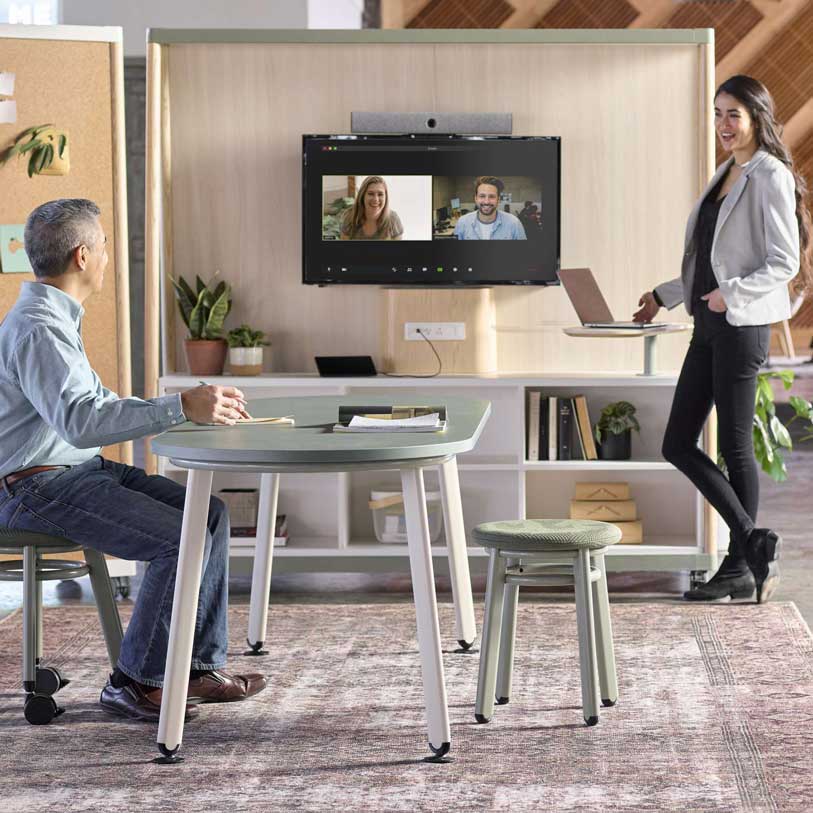
BEST — Full Project Planning + Phasing Support
- Best for larger teams, growth planning, and multi-area buildouts.
- Typical scope: detailed plan sets, multiple iterations, power/data planning guidance, phasing, and install coordination.
Every project is different. We’ll recommend the right level based on headcount, complexity, and timeline.
Proof we've done this

1) Industrial EV Manufacturer — Workstations & Cubicles (Kansas City, MO)
250 workstations deployed | 80% repurposed | 1-year phased plan
A growing industrial facility needed workstations, private offices, conference areas, and support spaces—while maximizing reuse of existing cubicles and furniture. We helped evaluate reuse vs used vs new (including AIS options) and build a phased plan that scaled.

2) Healthcare IT Software Company — Ergonomic Chair Standardization (Overland Park, KS)
~600–1,000 seats standardized over 5 years
At scale, chairs become an operations decision. We helped standardize ergonomic seating across desks, private offices, and cubicle areas using Humanscale Liberty—prioritizing durability, easy usability, and warranty strategy (including labor considerations).

3) Community Health Center — New Building Furnishing (Kansas City, MO)
Waiting room + children’s soft seating + outdoor + offices + workstations
Healthcare spaces need comfort, cleanability, and durability. We furnished patient-facing waiting areas (adult + children’s seating), outdoor areas, and staff workspaces including private offices, task seating, and workstation areas.
Get a Layout + Budget Plan (Fast)
Tell us your space size, headcount, and timeline. We’ll respond with a recommended layout approach and realistic furniture budget ranges.
Floor plan is great (AutoCAD/PDF), but rough dimensions work too. Feel free to email to: hi@kcofficedesign.com
Kansas City Layouts + Install Support (Real Projects)
We’ve helped KC teams plan spaces that function better—then coordinate furniture delivery and installation so the plan becomes reality.


What We Need to Plan Your Office Correctly
- Floorplan (PDF) is ideal
- If not, rough dimensions + photos work
- Note doors, windows, columns, and any “no-go” areas
- Assigned desks vs hoteling
- Teams that need focus vs teams that collaborate
- Who needs privacy and who doesn’t?
- Private offices (how many?)
- Workstations/benching (how many?)
- Conference rooms (seat count)
- Reception, breakroom, storage, copy areas
- Where power is available (walls/floor cores)
- Monitor counts, docking, printers, AV screens
- Cable management expectations
- Move-in date and any hard deadlines
- One install vs phased installs
- What stays, what goes, what gets reused
Planning Often Starts With One Category
Or send us your headcount and we’ll recommend the right mix.
Office Space Planning Kansas City FAQs
Yes. Rough dimensions and photos are enough to start. If you later get a plan from your landlord or architect, we can refine from there.
A basic layout for a small office can turn around in 3–5 business days once we have your dimensions and requirements. More complex projects with multiple layout options and furniture specification take 1–3 weeks. We'll give you a timeline at intake.
Yes. We typically ask for headcount now and headcount in 12 months so your layout doesn’t get outgrown immediately.
We can guide the planning so power and cable routing make sense for the layout and furniture—especially for workstations and conference rooms.
Our goal is to pair planning with furniture so the project installs cleanly. If you’re unsure, start with a conversation—we’ll recommend the best path.
Yes—delivery and installation coordination is available across the KC metro. We’ll confirm scope and schedule during quoting.
Private offices, open plan workstations, hybrid layouts, conference rooms, reception areas, breakrooms, and growth/expansion plans.
Plan for 75–125 square feet per person for open workstations, including circulation space around each station. Private offices run 100–150 sq ft. Add 15–20% of total square footage for common areas, conference rooms, and support spaces. A 20-person open office typically needs 2,000–3,000 square feet total.
Space planning is included when you're purchasing furniture through KCOD. For standalone planning engagements, ask us — it depends on scope. Either way, we'll tell you upfront.
Yes — 2D plans and 3D visuals are available for design reviews and approvals.
Absolutely. We evaluate what to keep, reconfigure, or replace to meet your goals and budget.
Ready to Make Your Office Layout Make Sense?
Kansas City team • Real installs • Clear next steps
Send headcount, rough dimensions (or a floorplan), and your timeline. We’ll recommend a layout approach and realistic budget ranges—then help you move forward.
Why Work With Kansas City Office Design
A smoother process, better outcomes, and fewer surprises—especially on timelines, installs, and long-term durability.
More Answers
Quick answers to the questions we hear most from Kansas City teams.
What does a full office furniture budget actually look like?
How much does office furniture cost in Kansas City?
Do you deliver and install office furniture in Kansas City?
How long does office furniture take to arrive?
Can you help if I don’t have a floorplan?
What size conference table fits my room?
Where Can I Buy Office Chairs Near Me in Kansas City?
Do You Sell Used Office Furniture in Kansas City?
Do You Buy Used Office Furniture in Kansas City?
Where Can I Buy Office Chairs Near Me in Kansas City?
Where Can I Find Discount Office Furniture Near Me in Kansas City?
Do You Offer In-Person Office Furniture Consultations in Kansas City?
What Cubicle Panel Height Should We Choose (42 vs 50 vs 66)?
What Are the Best Wipeable Reception Chairs for High-Traffic Areas?
What’s the Best Small Standing Desk for Tight Spaces?
How Do I Choose the Right Office Furniture Store in Kansas City?